

Choosing the right orthodontic treatment is one of the biggest dental decisions you’ll face. It’s not one-size-fits-all.
For many residents in Hallam and York, the choice often comes down to Invisalign® or traditional braces. Both options are proven to straighten teeth and improve dental health, but the experience of wearing them is quite different.
Braces have long been seen as the standard, especially for correcting more involved issues. Invisalign®, on the other hand, offers a more discreet and flexible approach that’s well-suited for many patients today. Your final decision should reflect how each treatment fits into your lifestyle and how complex your case is.
This guide is designed to help you weigh the pros and cons, not only in terms of appearance and effectiveness but also in terms of cost and long-term dental benefits. Let’s walk through the details, step by step.
Aesthetics and Lifestyle Considerations
For many patients, the most immediate concern is how the treatment will look and feel in daily life. Your comfort and confidence over the course of treatment matter—and so does how each option affects your usual routine.
Invisalign®: Subtle and Convenient
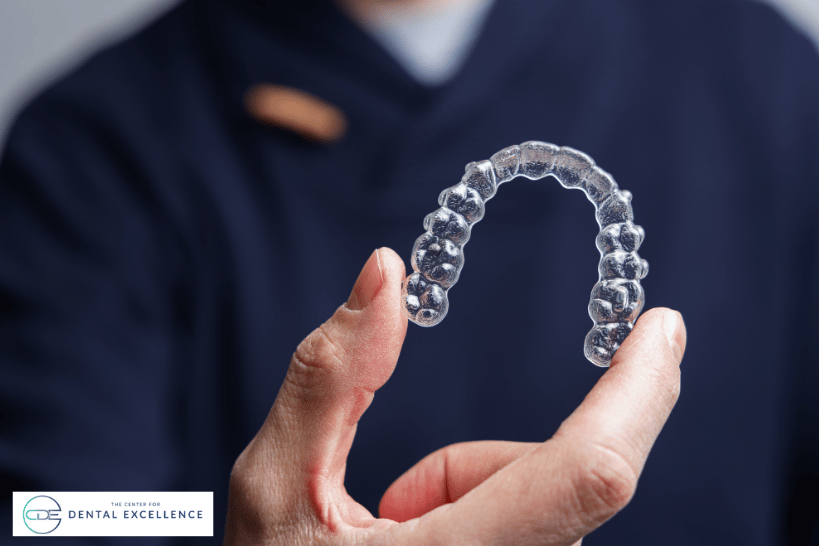
Invisalign aligners are made from clear plastic and designed to fit snugly over your teeth. They are virtually invisible to others, which makes them an appealing choice for working adults, teens, and anyone who wants to maintain a natural appearance during treatment.
Since aligners can be removed, you don’t need to give up your favorite foods or worry about food getting caught in brackets. You’ll remove them to eat, brush, and floss—giving you more flexibility.
Cleaning is straightforward: simply rinse and gently brush the trays daily. Good oral hygiene is easier to maintain when you’re not working around wires.
Traditional Braces: Visible but Reliable
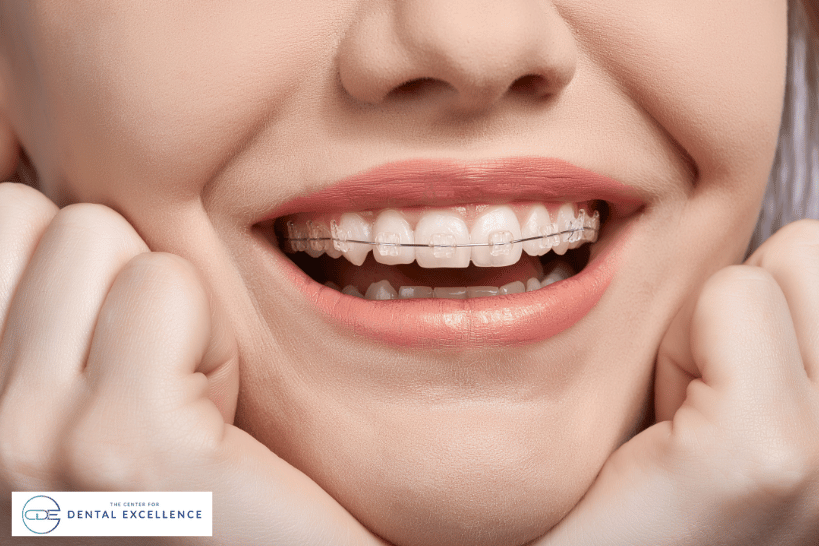
Metal braces consist of brackets bonded to the teeth and connected by wires. While newer designs are smaller and less bulky than in the past, they’re still noticeable.
Because braces are fixed in place, they require some changes in eating habits. Sticky, crunchy, or hard-to-chew foods can damage the hardware or get stuck, so you may need to avoid them throughout your treatment.
Oral hygiene requires more time and care. You’ll need to clean around brackets and wires to prevent plaque build-up. While it takes some commitment, the results are worth it.
Related Article: How Long Does Invisalign® Take?
Treatment Effectiveness and Case Complexity
Both Invisalign® and braces shift your teeth into better alignment, but they do so in different ways. Some cases call for more detailed control, while others respond well to gradual guidance.
Traditional Braces: A Strong Choice for Complex Cases
Braces have been used for decades because they offer excellent control and precision. They are often recommended for conditions such as:
- Severe tooth rotation or crowding
- Significant spacing between teeth
- Crossbites, overbites, and underbites
- Jaw alignment or growth issues
Since braces are always working—day and night, no matter what you’re eating or doing—they can often move teeth more efficiently in the most complicated cases. The strength and structure of metal braces also give orthodontists more flexibility in fine-tuning alignment throughout treatment.
Invisalign®: Effective for Many, and Improving Rapidly
Invisalign technology has advanced dramatically. Modern aligner systems and attachments allow providers to treat a wider range of issues than ever before.
Invisalign® is ideal for:
- Mild to moderate crowding or spacing
- Patients who previously had braces and experienced minor relapse
- Mild bite issues or shifting teeth
In many cases, especially when treatment compliance is high, Invisalign® can achieve results comparable to braces. However, it requires discipline—aligners must be worn for 20 to 22 hours each day to be effective.
Cost and Financial Considerations
The cost of orthodontic care can feel like a barrier, but it doesn’t have to be. Whether you’re leaning toward Invisalign® or traditional braces, it’s important to know that the overall pricing has become more similar in recent years.
The total treatment cost can vary depending on:
- Case complexity
- Duration of treatment
- Materials used
- Number of visits required
Here’s what matters most for Hallam and York residents:
- Most dental insurance plans cover both Invisalign® and braces, at least in part. Our team helps verify your insurance benefits so there are no surprises.
- Monthly payment plans are available. We offer flexible in-house financing and also accept third-party financing through CareCredit.
- Personalized treatment plans are provided after a full evaluation. Every smile is different. That’s why we avoid cookie-cutter quotes and instead provide an honest, personalized estimate during your consultation.
We know orthodontics is an investment. Our goal is to make it manageable—and worth it.
Why Choose Invisalign® at Our Hallam, PA Practice?
At The Center for Dental Excellence, we don’t take orthodontic recommendations lightly. Whether you’re considering Invisalign® or traditional braces, we begin with a careful assessment of your dental health, overall goals, and daily lifestyle. Our goal is to recommend what truly serves you—not just what’s convenient or trendy.
At our Hallam dentist office we use advanced diagnostic tools to evaluate more than just the position of your teeth. Our process takes into account the health of your gums, how your bite comes together, and any jaw concerns that may affect your outcome. This thorough approach allows us to build a clear picture of your needs before deciding on any treatment.
Once we understand your case, we offer transparent guidance. If your situation would benefit more from braces—for example, in particularly complex movements—we’ll explain that clearly. If Invisalign® in Hallam can provide the results you’re looking for, we’ll lay out the plan, step by step, and let you know what to expect.
Above all, your Invisalign® plan is not a one-size-fits-all solution. It’s customized from start to finish, based on your unique dental structure and treatment goals. From your first scan to your final aligner, we take a personal, evidence-based approach.
Many practices focus on the product alone. We focus on your long-term results.
Ready to Compare Your Options?
If you’re in Hallam, York, or nearby areas and wondering whether Invisalign® or traditional braces will work better for you, we invite you to visit us for a consultation. We’ll talk through your concerns, assess your teeth and bite, and explain each option with clarity and care.
At The Center for Dental Excellence, we don’t rush this decision. Instead, we work with you to develop a plan based on clinical insight, patient comfort, and long-term results.
Schedule your consultation today! Take the first step toward a straighter, healthier smile.